6 underrated platforms to sell art online in 2026
Discover 6 underrated platforms where artists are making real money in 2026—from wholesale marketplaces to collector-focused galleries. If you want to sell your art beyond saturated sites, this guide shows you where the serious buyers are.


Most artists trying to sell their work online default to platforms like Etsy, Instagram, or Patreon.
But here’s the reality: those platforms are oversaturated.
If you want to make real money as an artist in 2026, you need to go where:
- The buyers are (not just fellow artists)
- The pricing opportunity is higher
- The competition is lower
This guide covers 6 underrated platforms to sell art online, including wholesale, boutique marketplaces, and collector-focused galleries that many artists completely overlook.
Quick answer: Best underrated platforms to sell art online
The best underrated platforms to sell art online include:
- Faire
- Not On The High Street
- Pedddle
- Ugallery
- Singulart
- TurningArt
These platforms connect you with:
- boutiques
- businesses
- collectors
among others... but most importantly: not just other artists.
This is a never-ending issue for artists. They promote themselves online, especially on social media, only to end up interacting with other artists, instead of potential customers. That part is great for networking and community building, don't get me wrong, but at the very least, have one platform in your marketing portfolio where you can reach people who are actually and exclusively there to purchase art.
Why most artists struggle to sell art online
Before we dive into platforms, it’s important to understand why most artists fail to make a consistent income.
1. They rely on oversaturated platforms
Marketplaces like Etsy are crowded, making it hard to stand out.
2. They sell to the wrong audience
Many artists promote and sell to other artists—not actual buyers.
3. They price too low
Competing on saturated platforms often leads to underpricing.
4. They use only one income stream
Relying on a single platform creates unstable income.
The platforms below solve these problems by giving you access to different types of buyers and revenue models.
6 underrated platforms to sell art online: The complete list
1. Faire: Sell your art in retail stores
Best for: scaling your art into products
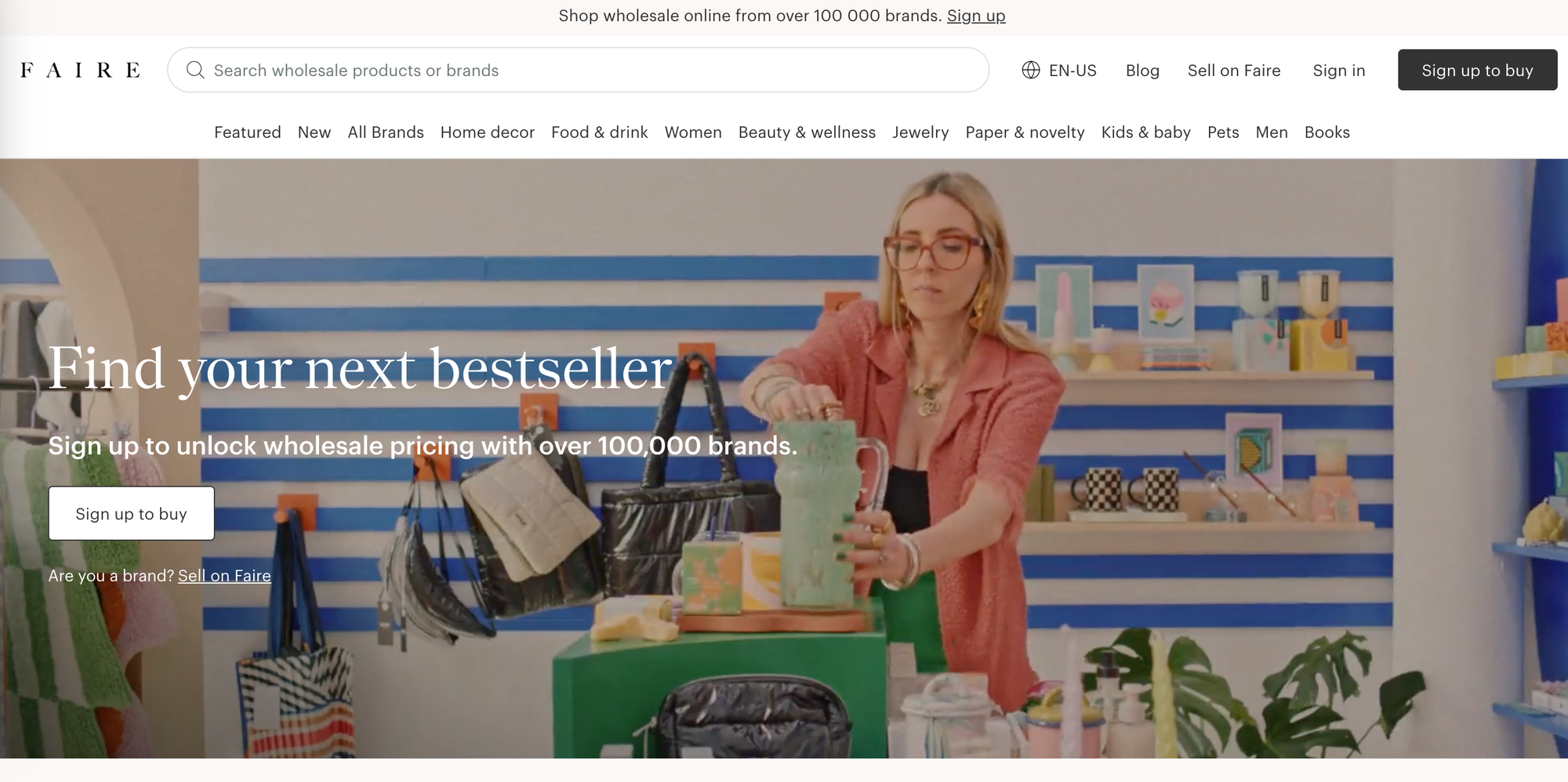
Faire is a wholesale marketplace where retail shops and boutiques buy products in bulk.
Instead of selling one print at a time, you can sell:
- 50 prints
- 100 greeting cards
- entire product collections
What you can sell:
- prints
- stationery
- merch
- design products
Who should use it:
- illustrators
- print designers
- artists creating merch
Why it works:
Instead of selling 1 item → you sell 50–500 units at once
Example:
An artist selling prints for €20 each could instead sell:
- 100 prints wholesale at €8 each = €800 in one order
Availability:
- Primarily US, UK, and Europe
- Expanding internationally (global buyer base)
Key advantage:
You’re selling to businesses, not individuals, which means:
- bigger orders
- repeat customers
- scalable income
2. Not On The High Street: Premium UK marketplace
Best for: high-quality, giftable art
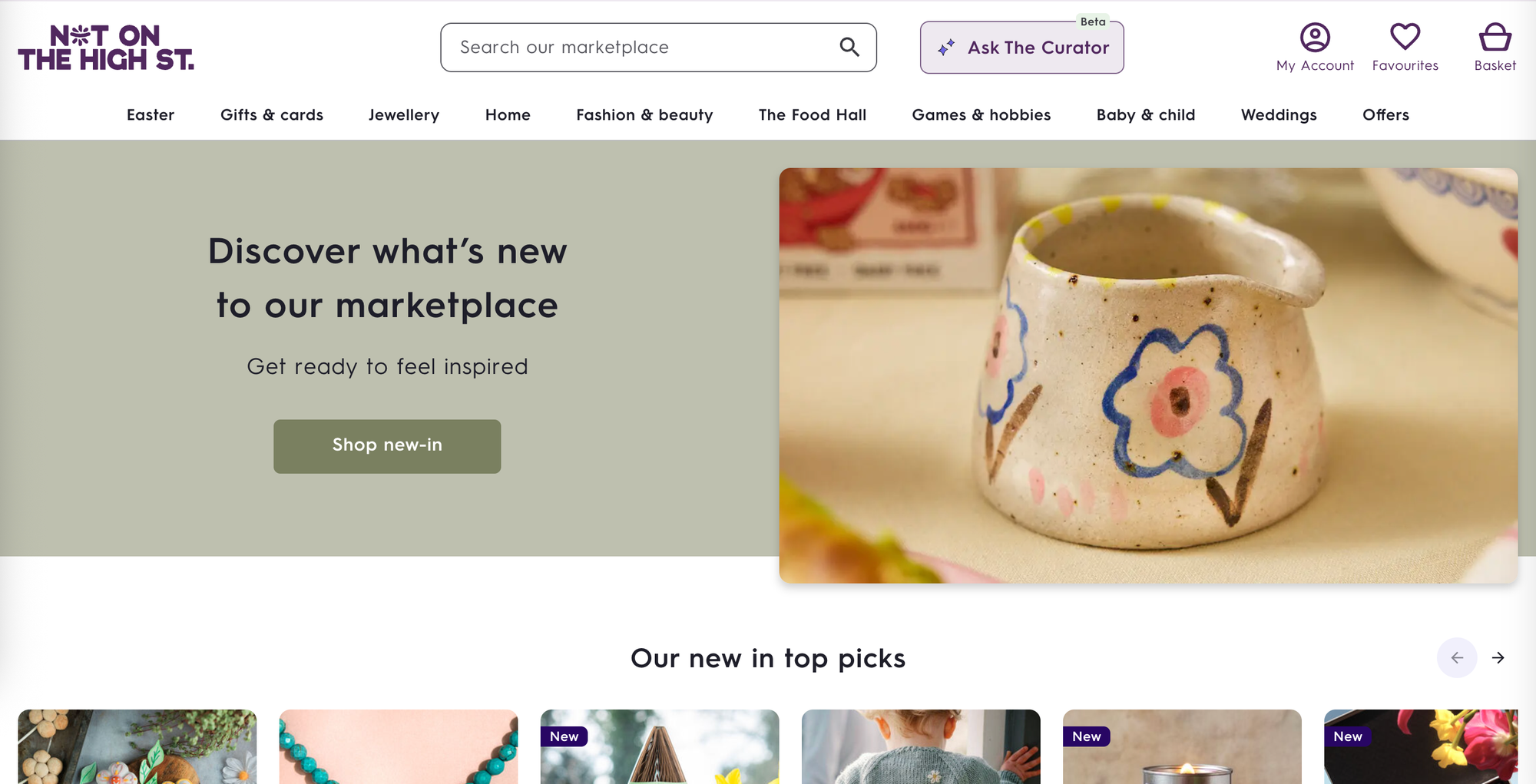
Not on The High Street is a curated platform with strict selection.
Customers on this platform are:
- actively looking for unique products
- willing to pay higher prices
- less price-sensitive
What sells well:
- personalised art
- premium prints
- design-led gifts
Availability:
- ❗ Sellers: UK & Ireland only
- Buyers: global
Why this matters:
Less competition & higher average order value.
"We are also on ‘Not on the High Street’, which is a UK-based marketplace for small brands. We keep these smaller channels operating as they help us connect with customers who otherwise wouldn’t normally come across our social content," Kathie Rawsthorne from Picnic Blanket Jewellery told me in our interview.
3. Pedddle: Online & physical exposure
Best for: artists who want both digital and physical exposure
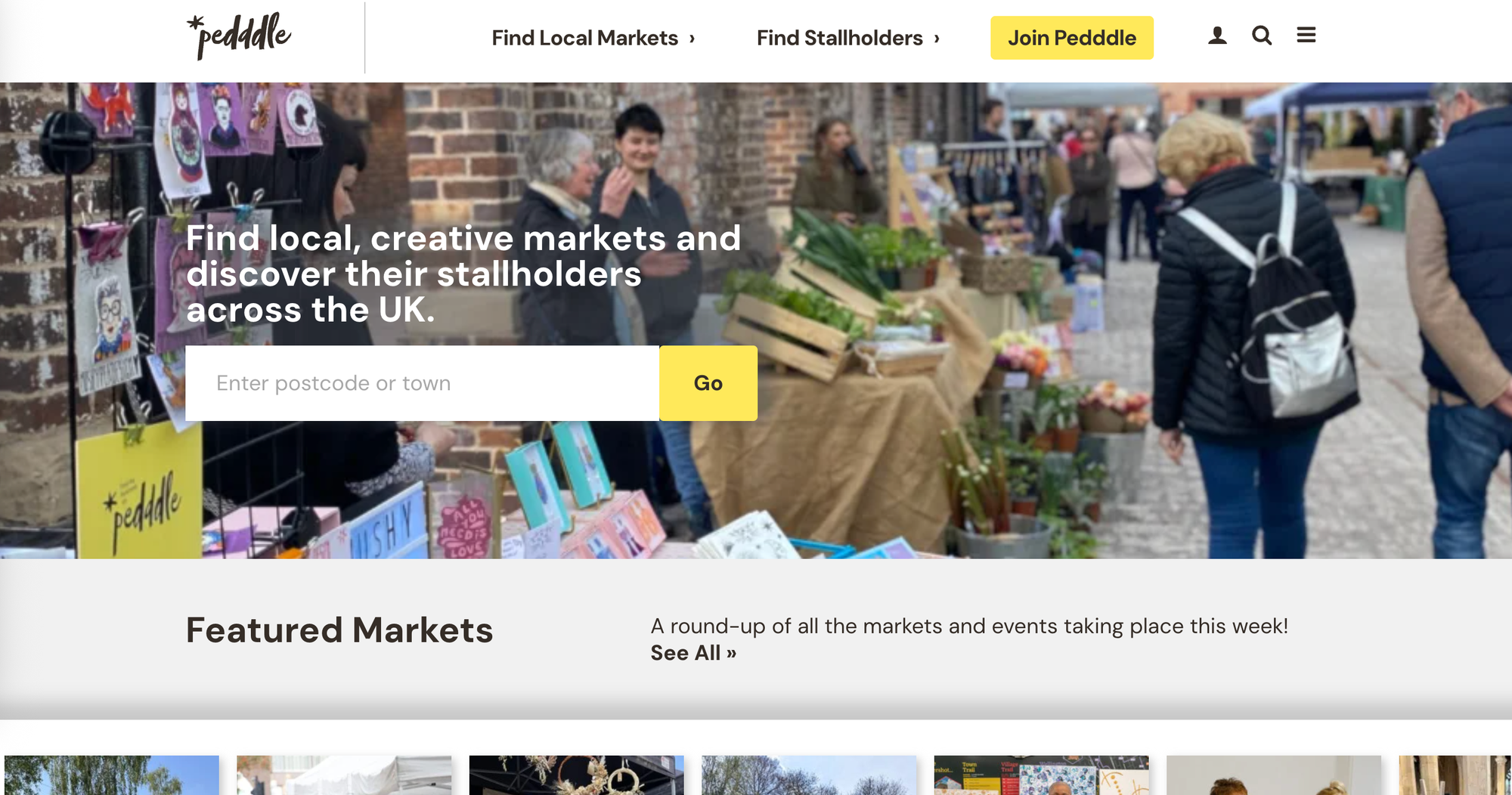
Pedddle is an online directory of artisan, creative markets and the stallholders that sell at them.
Pedddle connects:
- independent makers
- creative markets
- small businesses
What makes it different:
It connects online discovery with real-world selling opportunities, like:
- craft fairs
- pop-up markets
- local events
Why this is valuable:
Most artists ignore offline channels, when in reality:
- in-person buyers often spend more
- you build stronger connections
- you stand out more easily
Availability:
- Strongest presence in the UK
- Open to makers in multiple regions (but UK-focused ecosystem)
Key advantage:
Offline buyers often spend more per purchase.
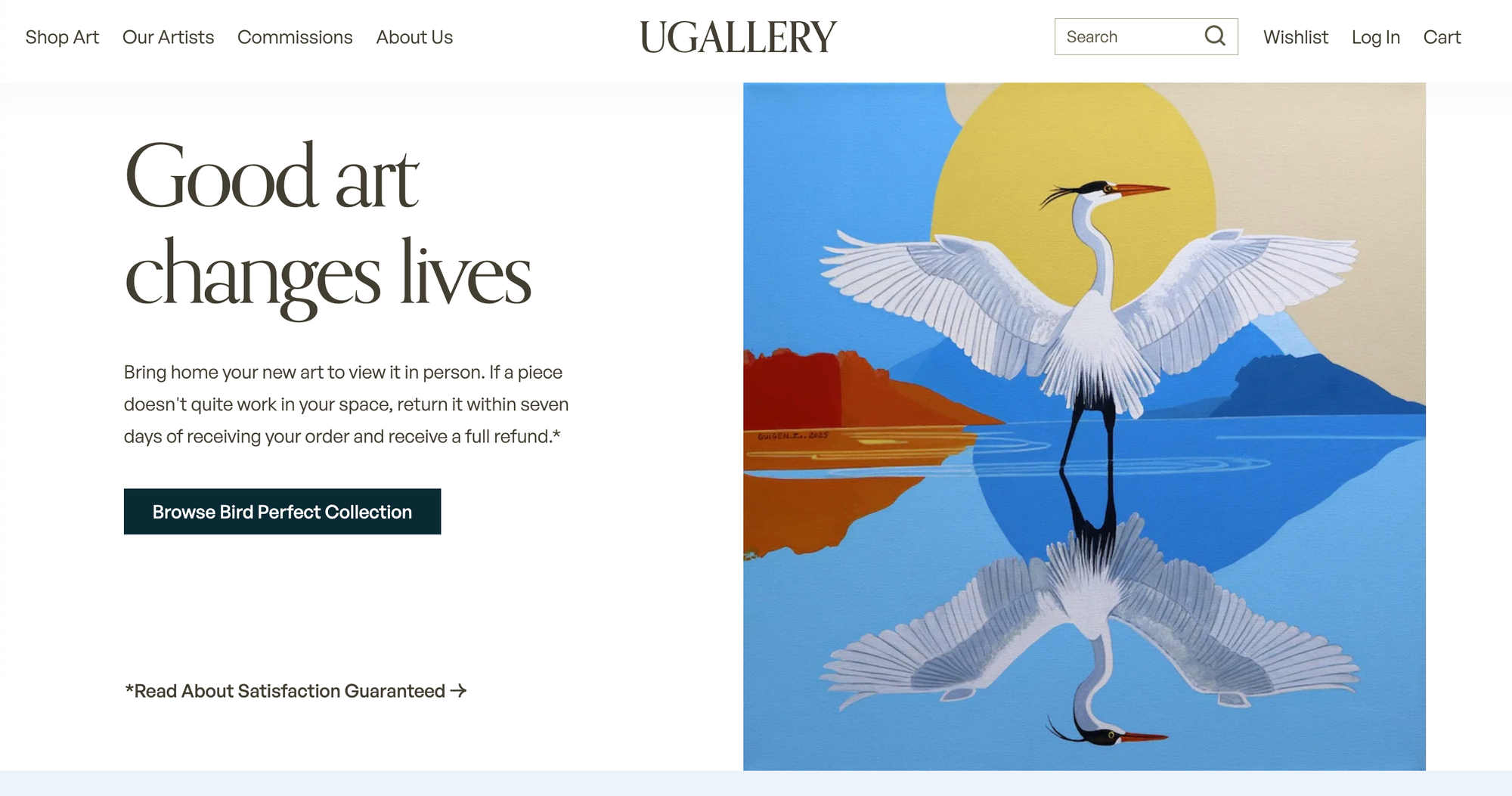
4. Ugallery: Sell original art to collectors
Best for: original artwork
Ugallery is a curated online gallery that connects artists with serious collectors.
What you can sell:
- original paintings
- photography
- high-value pieces
Benefits:
- higher price points
- collector audience
- professional positioning
Important note:
This platform is selective, so your portfolio needs to be strong.
Availability:
- US-based platform
- accepts international artists (with application)
Key advantage:
You’re not selling €20 prints… You’re selling €300–€3000 original artworks.
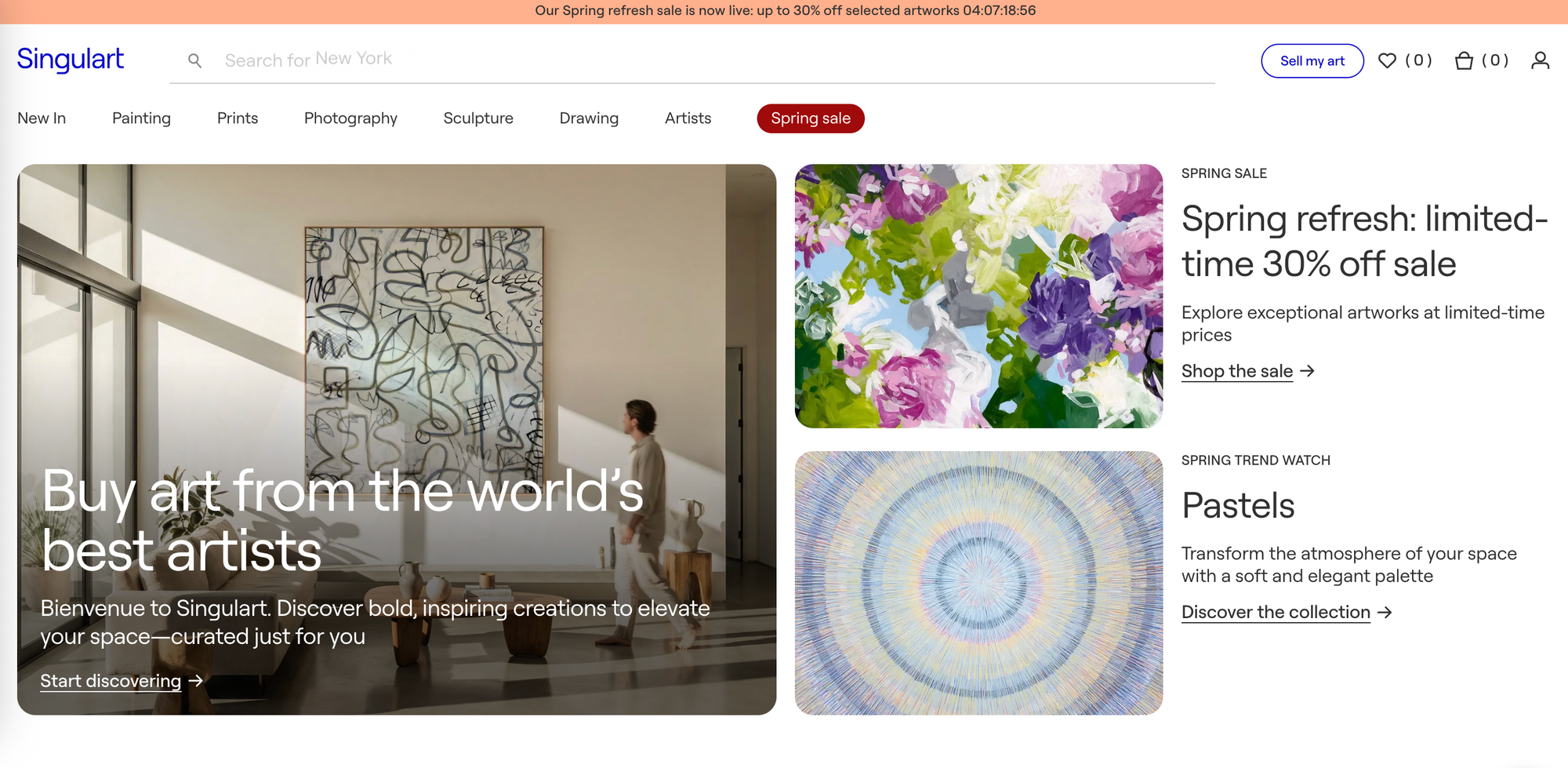
5. Singulart: Global collector marketplace
Best for: international exposure
Singulart is similar to Ugallery but operates at a larger, global scale.
Why artists use it:
- international buyers
- curated artist promotion
- strong marketing support
Availability:
- Accepts artists from most countries (with some restrictions)
Key advantage:
You’re no longer competing as a “small online artist”. You’re positioned as a professional, gallery-level creator. Artists can sell internationally within their first year.
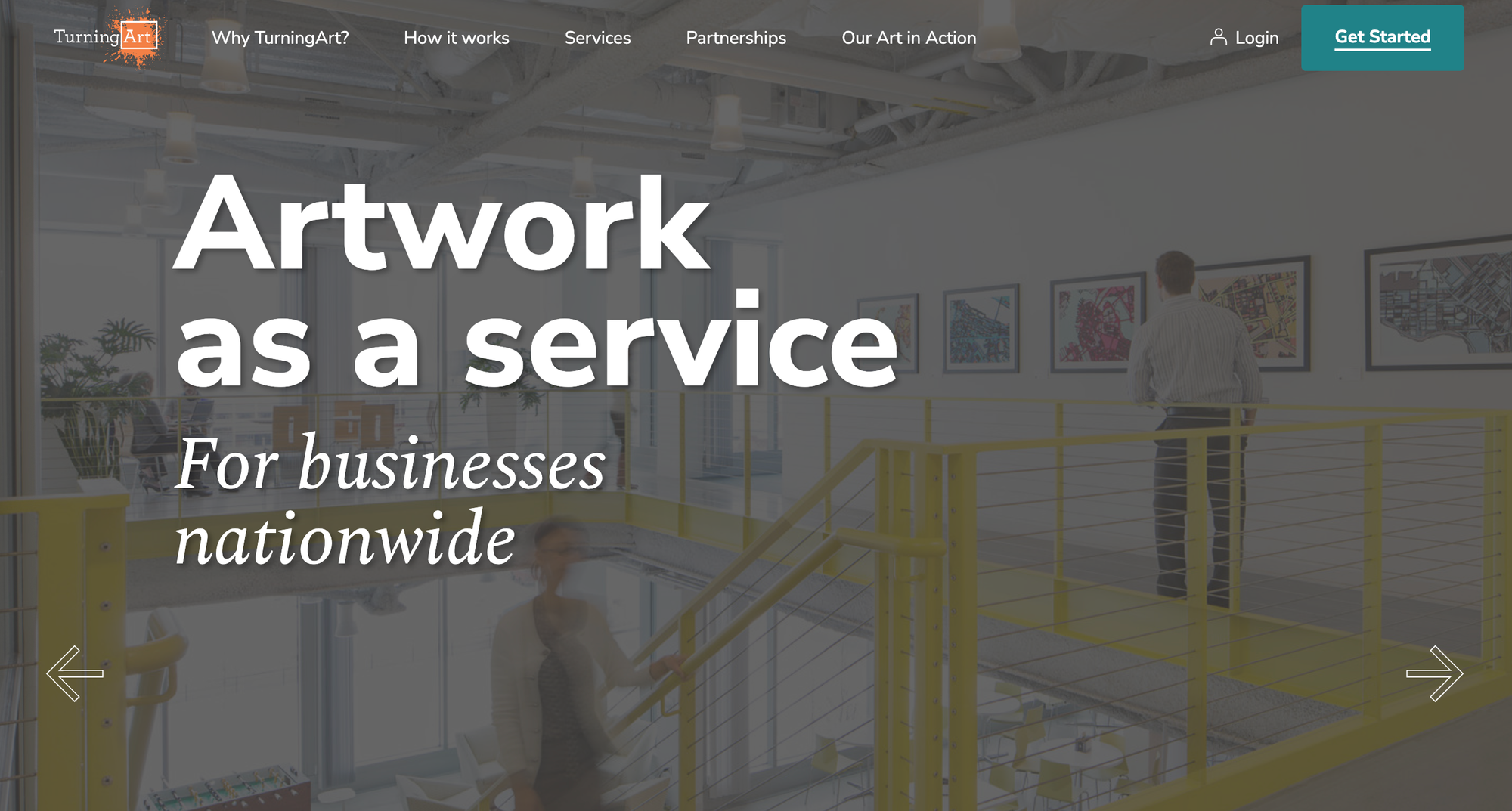
6. TurningArt: Sell art to businesses (Underrated opportunity)
Best for: commercial clients
TurningArt is completely different from most platforms.
It connects artists with:
- offices
- hotels
- healthcare spaces
- commercial interiors
What makes it unique:
You’re not selling to individuals… You’re selling to business clients furnishing spaces.
Availability:
- Primarily US-focused platform (business client base is US-heavy)
Why this is huge:
Businesses need:
- multiple artworks
- rotating collections
- long-term relationships
This creates repeat, scalable income.
The smart strategy (What most artists miss)
The biggest mistake artists make is relying on a single platform. The artists making the most money don’t rely on one platform; they build a multi-platform system:
1. Wholesale platform
Example: Faire
→ bulk orders and scalable income
2. Marketplace for products
Example: Not On The High Street
→ premium individual buyers
3. Exposure + real-world
Example: Pedddle
→ physical exposure at markets
4. Collectors
Example: Ugallery, Singulart
→ reaching serious collectors at gallery-level
5. Business clients
Example: TurningArt
→ exposure through commercial clients
2026 trend: Artists are becoming multi-income businesses
The biggest shift happening right now—and it has been for a while—is that artists are no longer just creators. They can't be.
Successful artists are building distribution systems. (It's both a must and a should at this point.)
Instead of:
- posting art and hoping an audience and sales will come to them
They are:
- distributing across platforms
- building multiple revenue streams
- targeting different types of buyers
How to choose the right platform
Ask yourself 3 questions:
1. What are you selling?
- prints → wholesale / marketplaces
- originals → galleries
- products → boutiques
- collections → business platforms
2. Who is your (potential) buyer?
- casual buyers → marketplaces
- boutique shoppers → curated platforms
- collectors → galleries
- companies → commercial platforms
3. What income/price range do you want?
- small/low → saturated platforms with high competition
- medium → curated marketplaces
- high → collectors + B2B spaces

FAQ
What is the best platform to sell art online?
The best platform depends on your goal. Wholesale platforms like Faire are ideal for scaling, while gallery platforms like Singulart are best for one-time high-price sales.
Where can beginners sell art online?
Beginners can start with marketplaces like Not On The High Street or community-driven platforms, then expand into wholesale or gallery platforms. However, do note that some, including Not On The High Street or Singulart require approval.
Is it better to sell art to individuals or businesses?
Selling to individuals is easier to start and helps you build a personal brand, but sales are usually smaller and less predictable. Selling to businesses can lead to larger, repeat orders and more stable income, since companies often buy in bulk or need ongoing artwork.
The two models serve different goals, and the best strategy is to combine both as soon as you have the means to do it.
Final takeaway
If you want to succeed in selling art online in 2026, don’t go where everyone else is, and most importantly, go where:
- The buyers are (not just fellow artists)
- The pricing opportunity is higher
- The competition is lower
Platforms like Faire, TurningArt, and Singulart give you access to entirely different markets most artists never tap into.
And that’s where the real opportunity is.