
What art buyers want in 2026: Bookish, imperfect, and kits
Three data-based creative trends that celebrate art, imperfection, and creativity—three things that are inevitably human, and that give you a snapshot of the market where you're trying to sell your artworks.


Hi! 👋
We're all only human, and the trends show it.
Welcome (back)! 🤗
This is Petra from The Creators' Diary. If this is your first TC’D newsletter, welcome! We’re happy you’ve subscribed!
Share what you think about this issue or the questions you struggle with as a creator by simply replying to this email. A real human (Petra) reads it.
Marketing tip of the week 🧠
With everything going on in the world—especially the advancement of AI in creative fields—and perhaps despite all of it, there's an overarching theme I noticed: people are (still) yearning for what's "human".
I'm bringing you three data-based creative trends that support this statement, as they celebrate art, imperfection, and creativity—three things that are inevitably human, and that also give you a snapshot of the market where you're trying to sell your artworks.
Here are the three trends: the bookish movement, the trend of imperfection, and the rise of guided crafting.
1. The Bookish Movement
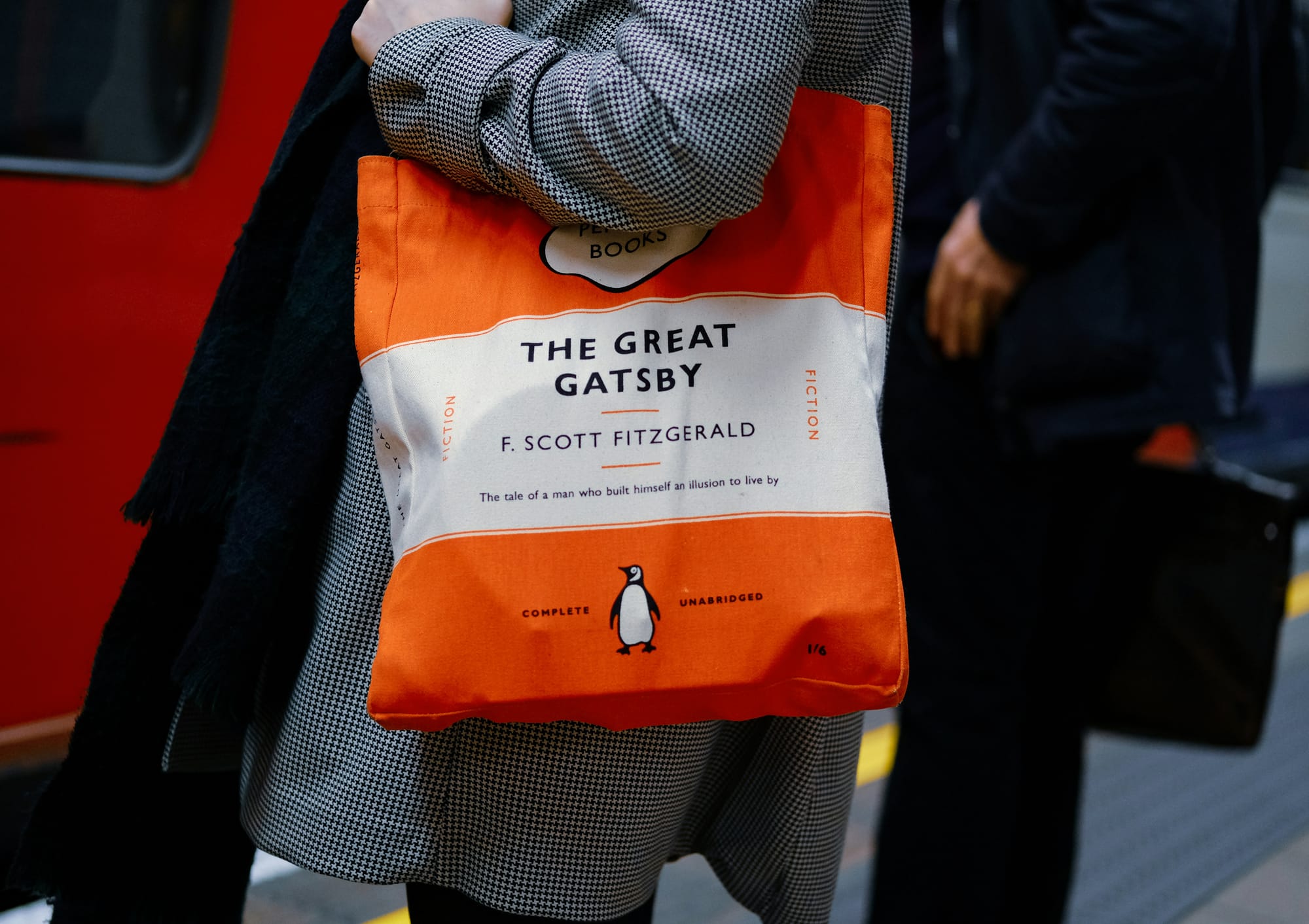
Data from the Faire 2026 Forecast (Faire, included in my list of underrated platforms to sell art, is an online wholesale marketplace where artists and creative businesses can sell to retailers) confirms that "bookish" themes are one of the highest-performing categories for independent creators.
There is a massive surge in demand for "literary-themed" products. For instance, searches for "book totes" rose 148% and searches for "bookmark" climbed 49% on Faire's site. The report also mentions that readers want to show what their favourite titles are and bring those vibes into other aspects of their lives, beyond their shelves, and that can be in any form, from giftables to accessories.
"... search interest around literary-inspired home goods, from framed passages to book stack art, suggests shoppers want their favorite stories woven into their spaces. Titles like Wuthering Heights are showing up not just on reading lists but also in wall art, embroidered pillows, moody prints, and gothic-inspired accents" (Faire)
👉 See if your artwork can be linked to literary themes. If you'd enjoy it and feel like your art resonates well with it (and so would your customers), the bookish movement is one of the easiest to connect with because it goes well with nearly all types and forms of art.
2. Imperfect by Design

As AI-generated imagery becomes hyper-polished and "perfect", human-led design is swinging the opposite way. The Canva and Adobe 2026 Design Reports highlight a major trend toward "Imperfect by Design".
The Adobe report calls it "Surreal Silliness":
"...a celebration of unfinished thoughts and honest moments. Think scrawled notes, half-cropped selfies, and lo-fi layouts that feel sincere and real," and "reality Warp [that] bends the rules of perception with surreal distortions, otherworldly photography, and dream-like compositions. It’s a playful reminder that the future of cool looks weird and human" (Adobe)
The Canva report talks about "Notes App Chic":
"...The shift toward unpolished visuals is tied to a cultural push for progress over polish. Searches for DIY and scrapbook-style elements are up 90% year over year, generating more than 1 million impressions on Canva as creators continue to lean into designs that feel authentic, relatable, and real" (Canva)
👉 This is your permission to let go of "gallery perfection" and get intentional with human "messiness"—it might even become the unique selling point of your art. Again, as always, check if this resonates with you and what you wish to express through your art.
3. Guided Crafting

For artists making physical objects—like ceramics, jewellery, and other 3D pieces—the market is shifting away from static decor toward active participation. The Michaels 2026 Creativity Trend Report officially declares this the "Year of Creative Living," as consumers trade screen time for hands-on self-discovery.
Sales for guided craft kits have increased by 86% year-over-year, proving that the "Ready-to-use Kit" strategy isn't just an idea—it’s where the money is moving as customers look for easy, creative experiences (that are often group-friendly).
👉 See if you can transform your 3D work from a "finished product" into an "artistic experience". Instead of just selling a single artwork, create a kit that lets people have a creative hour at home. Your customers might belong to that audience that isn't just looking for art to look at, but for art to do.
What are your thoughts on these three trends?
Reply to this email; I'm happy to hear from you! 💬
See you in the next newsletter,
Petra


